

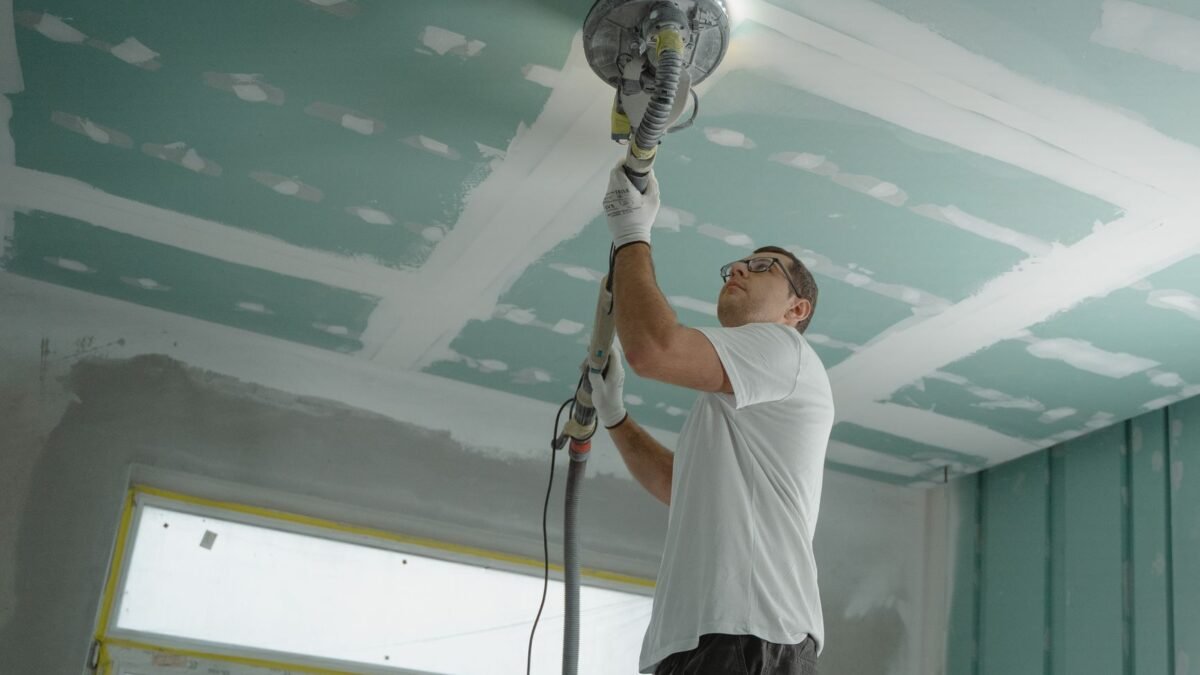
Duct cleaning after renovation is one of the clearest cases where paying a professional is worth it. Drywall sanding, demolition, tile cutting and floor refinishing create a fine construction dust that hangs in the air for hours. If your heating or cooling system runs during the work, the return ducts pull that dust straight into the system, where it coats the ducts, clogs the filter and sticks to the blower and coil.
This guide explains how renovation dust gets into ducts, the six essential steps to clear it afterwards, how to protect your system during future projects, and what to expect to pay.
Key takeaways
- Drywall and sanding dust is very fine and can clog filters, blower wheels and coils quickly.
- Change the filter immediately after the work, then inspect the returns and blower.
- If dust is visible inside ducts or blows from vents, book a full-system cleaning that includes the blower and coil.
- Next time, turn the system off or seal the returns and supplies in the work area before starting.
In this guide
Why renovation dust is a problem for HVAC systems
Household dust is mostly fibers, skin flakes and soil tracked in from outside. Construction dust is different. Gypsum dust from drywall joint compound, fine sawdust, concrete and tile dust, and sanded floor finish are made of tiny particles that pass easily through cheap filters and pack densely when they settle.
That causes several problems:
- Filters clog fast. A filter that normally lasts three months can load up in days during sanding, restricting airflow.
- Blower wheels cake up. Fine dust builds up on the curved fan blades and reduces how much air the blower moves.
- Coils get coated. A dusty evaporator coil transfers heat poorly, so the system runs longer and costs more.
- Ducts hold dust that blows out later. When the system starts up after the work, settled dust can puff from supply registers for weeks.
- Indoor air stays dusty. Some construction dusts, like silica from cutting concrete and tile, are irritants you don’t want circulating.
When you need duct cleaning after renovation
Not every project calls for it. Use this as a guide:
| Project | System ran during work? | Duct cleaning likely needed? |
|---|---|---|
| Painting only | Yes | No; change the filter |
| Small drywall patch | Yes | Usually no; change filter, vacuum registers |
| Full room drywall, sanding | Yes | Often yes |
| Whole-floor or whole-house remodel | Yes | Yes |
| Hardwood floor sanding | Yes | Yes, especially returns |
| Any project | No, system off and sealed | Usually no; inspect to confirm |
| Demolition with plaster or old materials | Any | Yes, and check for hazards first |
The deciding factor is what you see. If dust is visible a few inches inside the ducts or blows out when the system starts, duct cleaning after renovation is worth it.
6 essential steps to clear construction dust from your HVAC
Step 1: Change the filter right away
As soon as the dusty work is finished, replace the filter, even if it’s new. It’s probably loaded with fine dust. Check it again after a week of running and replace it again if it’s gray. A pleated MERV 8 to 11 filter catches far more fine dust than a flat fiberglass one. See MERV ratings explained.
Step 2: Clean the work area thoroughly first
If you clean the ducts while the room is still dusty, the system will pull new dust right back in. Vacuum floors, walls and ledges with a HEPA vacuum, and damp-wipe surfaces. Dry sweeping just puts fine dust back into the air.
Step 3: Inspect the returns, blower and supply ducts
With the power off, remove the return grilles near the work area and look inside with a flashlight. Then open the blower compartment and check the fan wheel. Finally, look into a few supply ducts. Take photos. White or tan powder clinging to the inside of ducts or blower blades means construction dust got in.
Step 4: Book a full-system professional cleaning if dust is inside
If the inspection shows dust inside the system, a professional cleaning is the right move. Ask for:
- Cleaning of supply and return ducts, including the trunks and plenums, under negative pressure.
- Removal and cleaning of the blower wheel.
- Coil cleaning, since construction dust often coats it.
- Washing of all registers and grilles.
Our guide to the professional duct cleaning process explains what a thorough job looks like.
Step 5: Clean registers and the first few feet yourself if dust is light
If only the registers and the openings near the work area are dusty, you can handle it yourself. Remove and wash the registers, then vacuum as far into each duct as your hose reaches. Our DIY air duct cleaning guide walks through it.
Step 6: Run the fan, then recheck
After cleaning, run the system fan for 30 minutes with a fresh filter, then check the filter and registers again. If the filter is noticeably gray already or dust still blows from vents, there’s more dust deeper in the system.
How to protect your ducts during a renovation
Prevention costs a few dollars and saves a cleaning bill.
- Turn the HVAC system off during dusty work if the weather allows.
- Seal the returns in the work area with plastic sheeting and painter’s tape. Returns pull air in, so they’re where most dust enters.
- Cover supply registers in the work area so dust doesn’t settle into them when the system is off.
- Use zip-wall dust barriers to separate the work area from the rest of the house.
- Run a box fan in a window blowing out to keep the work area under slightly negative pressure, so dust leaves the house instead of spreading.
- Ask contractors to use dust-extracting sanders and HEPA vacuums.
- Upgrade to a higher-MERV filter for the duration if the system must run, and check it every couple of days.
- Don’t use the HVAC system to dry fresh drywall mud or paint.
Older homes need extra care. Sanding or demolishing surfaces in homes built before 1978 can release lead dust, and some older duct insulation, tapes and plaster contain asbestos. Have suspect materials tested before work starts, and follow EPA lead-safe practices.
What duct cleaning after renovation costs
Expect pricing in line with a standard full-system cleaning, roughly $300 to $700 for one system, with extra for heavy construction dust, blower removal and coil cleaning. Large remodels with two systems may run $700 to $1,400. Get a fair range for your home with the duct cleaning cost estimator.
Some renovation contracts include post-construction HVAC cleaning. If yours doesn’t, ask your contractor whether they’ll cover it, especially if they ran the system during the work.
Room-by-room: where renovation dust ends up
Different projects load different parts of the system.
Kitchen remodels combine drywall dust, tile and stone cutting, and cabinet sanding. Kitchen returns and the nearest supply runs usually take the most dust, and the coil can end up with a sticky mix of dust and cooking grease.
Bathroom remodels add tile and grout dust plus moisture. Check the bathroom register and the closest return, and make sure the bathroom exhaust fan, not the HVAC return, was used to clear dust and humidity.
Basement finishing often happens right next to the furnace and the main return. If the furnace was running while drywall was sanded nearby, assume the blower and coil need cleaning.
Hardwood floor refinishing produces a cloud of very fine wood dust at floor level, exactly where floor registers and low returns are. Floor registers in the work area should be sealed, and the ducts behind them checked afterwards.
Whole-house remodels usually mean a full-system cleaning. If the house sat empty with the system running for weeks, expect the trunks and plenums to hold dust too.
A homeowner’s renovation checklist for HVAC
Print this and give it to your contractor before work starts:
- HVAC system off during demolition, sanding and cutting, or returns in the work area sealed with plastic.
- Supply registers in the work area covered.
- Dust barrier between the work area and the rest of the house.
- Filter changed at the end of each dusty phase, and at the end of the job.
- HEPA vacuuming and damp wiping for final clean-up; no dry sweeping.
- Ducts, blower and coil inspected at the end; cleaning arranged if dust is found.
The EPA’s guidance on duct cleaning also recommends keeping construction dust out of ducts in the first place, since preventing contamination is easier than removing it.
Who should pay: you or the contractor?
If your contractor agreed to protect the HVAC system and didn’t, or ran the system during sanding without sealing the returns, it’s reasonable to ask them to pay for cleaning. Put protection requirements in writing for future projects: system off during dusty work, returns sealed, filter changed at the end.
New construction: the same problem, bigger
New homes often get dust-filled ducts because the system runs to dry drywall and paint while construction continues. Builders don’t always cap registers. If you’ve just bought a new home and find drywall dust, wrappers or screws inside the first duct you open, ask the builder to have the system professionally cleaned before your warranty walkthrough. Check the blower and coil too.
Health considerations
Construction dust is irritating to breathe, and some types, like crystalline silica from cutting concrete, stone and tile, are hazardous. The EPA notes duct cleaning hasn’t been shown to prevent health problems in general, but removing large amounts of construction dust from a system that blows it back into rooms is simple common sense. People with asthma may want to be out of the house during sanding and the cleaning.
How long to wait before cleaning
Clean after all dusty work is finished, including final sanding and floor refinishing. Cleaning midway through a project means paying twice. Change the filter as often as needed during the work, and book the duct cleaning once the last dusty task is done and the space has been vacuumed.
Duct cleaning after renovation: FAQ
Can drywall dust damage my HVAC system?
It can reduce airflow by clogging the filter and coating the blower and coil, which makes the system work harder. Over time that can shorten equipment life. Prompt filter changes and cleaning prevent most damage.
How do I get drywall dust out of air vents?
Remove and wash the registers, vacuum the first few feet of each duct, and change the filter. If dust is deeper in the system or blows out when it runs, book a professional cleaning.
Should I run the AC during renovation?
Avoid it during dusty work if you can. If you must, seal the returns in the work area, use a higher-MERV filter and check it every few days.
How soon after renovation should ducts be cleaned?
After all dusty work is complete and the area has been cleaned. Change the filter right away, then clean the ducts once the project is finished.
Is post-construction duct cleaning different?
It follows the same process, but crews expect more fine dust, so blower and coil cleaning are especially important.
The bottom line
Duct cleaning after renovation is worth it whenever construction dust has made its way into the returns, blower or ducts. Change the filter immediately, clean the room, inspect the system and book a full-system cleaning if you find dust inside. Next time, seal the returns and switch the system off before the sanding starts.

