

A whole house dehumidifier connects to your HVAC system or ducts and removes moisture from the air throughout the home, not just one room. In humid climates and tight, energy-efficient homes, it can keep humidity in the healthy 30 to 50 percent range even when the air conditioner isn’t running, which helps prevent mold, dust mites and that clammy feeling.
This guide covers six warning signs you need a whole house dehumidifier, how they work, what they cost, how to size one and when a portable unit is enough.
Key takeaways
- Consider a whole house dehumidifier if indoor humidity regularly stays above 50 to 60 percent despite AC use.
- They work independently of cooling, so they handle mild, humid days when the AC doesn’t run much.
- Installed costs commonly run in the low thousands; they drain automatically and need little attention.
- Fix moisture sources and oversized AC first, and seal return ducts in crawlspaces.
In this guide
How a whole house dehumidifier works
A whole-home unit is a refrigerant-based dehumidifier, like a portable one but larger, installed in a basement, crawlspace, attic or utility closet. It’s ducted to pull air from the house (or the return duct), remove moisture over a cold coil, and send dry air back into the supply duct or living space. Water drains continuously to a floor drain or condensate pump. A dehumidistat controls it to a set humidity.
6 warning signs you need a whole house dehumidifier
1. Humidity stays above 50 to 60 percent
If hygrometers regularly read above 50 percent, and especially above 60, in summer or shoulder seasons, you have more moisture than the AC alone can remove. The EPA recommends staying below 60 percent, ideally 30 to 50. See the best indoor humidity level.
2. The house feels clammy at comfortable temperatures
Feeling sticky at 74°F usually means high humidity. Many people lower the thermostat to compensate, which costs more.
3. Musty smells or mold spots
Musty closets, mildew on walls, or mold around vents signal sustained humidity. See musty smell from vents.
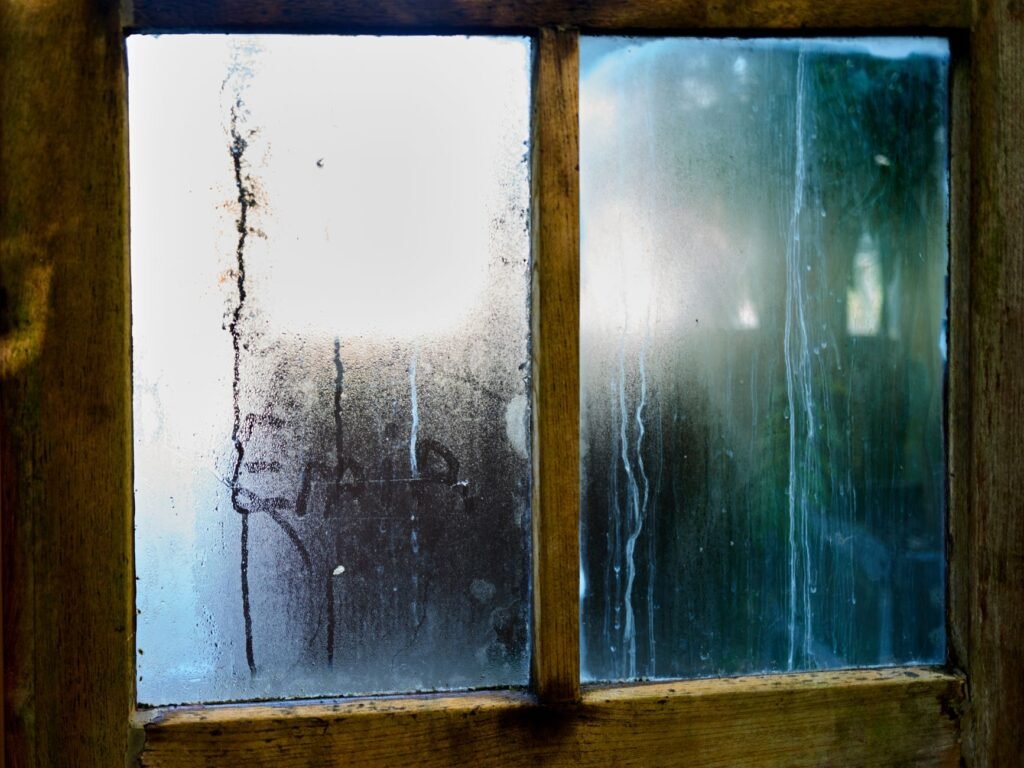
4. Condensation on windows, ducts or pipes in summer
Sweating ducts and pipes in basements and crawlspaces, or condensation on the inside of cold AC-cooled windows, point to high indoor humidity. See sweating air ducts.
5. You run several portable dehumidifiers
If you’re emptying buckets in multiple rooms, a whole-home unit is often more effective and less work.
6. Your home is tight and energy-efficient
Well-sealed homes don’t dry out through leaks, and efficient AC systems with low cooling loads run less, removing less moisture. Whole-home dehumidification is common in high-performance homes in humid climates.
What it costs
| Item | Typical cost |
|---|---|
| Whole house dehumidifier unit | $1,000 – $2,500 |
| Installation | $500 – $1,500+ |
| Total installed | $1,500 – $4,000 |
| Annual filter | $20 – $60 |
| Electricity | Varies with run time and efficiency |
Prices vary by capacity, brand and how complex the ducting is.
Sizing
Whole-home dehumidifiers are rated in pints of water removed per day. Typical residential units range from about 70 to 130+ pints. Sizing depends on home size, climate, airtightness and moisture loads. A contractor should size it; as a rough guide, larger, leakier homes in very humid climates need more capacity.
Fix the cause too. A dehumidifier treats the symptom. Sealing crawlspace return ducts, using exhaust fans, fixing drainage and venting the dryer outdoors reduce the moisture load so the dehumidifier runs less.
Whole house vs portable dehumidifier
| Whole house | Portable | |
|---|---|---|
| Coverage | Entire home | One room or basement |
| Draining | Automatic | Bucket or hose |
| Noise in living space | Minimal | Noticeable |
| Upfront cost | Higher | $150 – $400 |
| Maintenance | Annual filter | Bucket, filter, cleaning |
| Best for | Humid climates, whole-home problems | Basements, single rooms |
A portable unit set to 45 to 50 percent is often enough for a damp basement.
Should you upsize your AC instead?
No. An oversized AC cools quickly and shuts off before removing much moisture, making humidity problems worse. A correctly sized AC plus dehumidification is better. Check sizing with our AC size calculator.
Fan settings matter
In humid climates, running the HVAC fan continuously in cooling mode can re-evaporate water from the coil back into the air. Set it to “auto” unless your system is designed otherwise.
Maintenance
- Replace or clean the filter as recommended, often yearly.
- Check the drain line and condensate pump.
- Keep the intake and outlet clear.
- Have it inspected with your annual HVAC service.
A worked example
A family in a humid Southern climate lives in a newer, tightly sealed home. Humidity sits at 58 to 62 percent from April to October, closets smell musty, and the AC runs short cycles on mild days. A contractor installs a 100-pint whole house dehumidifier ducted to the return and supply, set to 48 percent. Humidity settles in the mid-to-high 40s, the musty smell disappears, and the family raises the thermostat two degrees without feeling less comfortable.
How a whole house dehumidifier is installed
Most whole-house units are installed in a basement, crawlspace, attic or utility closet and tied into the ductwork. Common setups:
- Return-to-return: the unit pulls air from the return duct and sends dry air back into the return, so the air handler distributes it. Simple and common.
- Return-to-supply: dried air goes into the supply plenum. Usually requires a backdraft damper.
- Standalone with its own ducts: for crawlspaces, basements or homes where the HVAC system isn’t suitable.
Every unit needs a drain line to a floor drain or condensate pump, and its own power supply. A dehumidistat or smart control sets the target humidity.
Sizing and cost
Whole-house dehumidifiers are rated in pints of water removed per day. Many homes use units in the 70 to 130 pint range. Larger, leakier homes in humid climates need more capacity. Installed costs commonly run around $1,500 to $3,500, depending on capacity, ducting and electrical work.
Whole-house vs portable
| Whole house dehumidifier | Portable dehumidifier | |
|---|---|---|
| Coverage | Entire home | One room or area |
| Drainage | Plumbed, no buckets | Bucket or hose |
| Noise | In a mechanical space, quiet in living areas | Noise in the room |
| Upfront cost | Higher | Lower |
| Efficiency | Usually more efficient per pint | Varies widely |
If only the basement is damp, a good portable unit with a hose drain may be all you need.
Maintenance
- Clean or replace the unit’s filter every few months.
- Check the drain line and pump each season.
- Have the coil cleaned and refrigerant system checked during HVAC tune-ups.
- Set the target humidity to about 45–50% in summer.
Fix moisture sources first
A whole house dehumidifier treats the symptom. Before buying one, deal with water entering the house: grading and gutters, crawlspace vapor barriers, exhaust fans that actually vent outdoors, and an air conditioner that isn’t oversized. See the best indoor humidity level and sweating air ducts.
Whole house dehumidifier: FAQ
Is a whole house dehumidifier worth it?
In humid climates or tight homes with persistent humidity above 50 to 60 percent, often yes.
How much does a whole house dehumidifier cost?
Typically about $1,500 to $4,000 installed.
Does a whole house dehumidifier use a lot of electricity?
It uses electricity when running, but can offset some by letting you set the thermostat higher.
Can I install one myself?
Installation involves ductwork, drainage and electrical connections, so most homeowners hire a contractor.
What humidity should I set it to?
Around 45 to 50 percent is common.
The bottom line
A whole house dehumidifier is the right fix when humidity stays above 50 to 60 percent despite a properly sized AC. Fix moisture sources first, size the unit properly, and set it around 45 to 50 percent. For the EPA’s guidance on moisture and mold, see its mold advice.