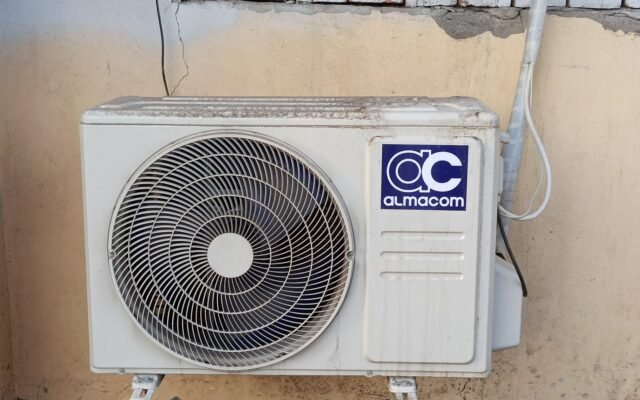

AC short cycling means the air conditioner turns on, runs for only a few minutes, shuts off, and then starts again shortly afterward. A normal cycle in hot weather usually lasts 10 to 20 minutes or longer. Short cycles waste energy, wear out the compressor and other parts, and leave the house feeling clammy because the system doesn’t run long enough to remove humidity.
There are several possible causes, some easy to fix and some that need a technician. This guide covers eight common causes of short cycling and how to stop it.
Key takeaways
- Short cycling means very frequent, very short run times.
- An oversized AC is one of the most common causes.
- Dirty filters, frozen coils, thermostat placement and low refrigerant also cause it.
- Short cycling increases wear and reduces dehumidification.
In this guide
How to tell if your AC is short cycling
Time a few cycles on a warm afternoon:
- Note when the outdoor unit starts and stops.
- If cycles are consistently under about 5 to 10 minutes, with only a few minutes off in between, the AC is likely short cycling.
- If the house also feels humid, that’s another sign.
1. Oversized air conditioner
An AC that’s too big for the house cools it quickly, satisfies the thermostat and shuts off before removing much humidity. It then starts again as temperatures rise. Oversizing is common when systems are sized by rules of thumb instead of a load calculation. See our AC size calculator for a rough check, and ask for an ACCA Manual J load calculation if you’re replacing equipment.
2. Dirty air filter
A clogged filter reduces airflow, which can cause the coil to freeze or the system to trip safety controls. Change the filter first; it’s the easiest fix. See dirty air filter symptoms.
3. Frozen evaporator coil
Low airflow or low refrigerant can make the indoor coil freeze. Some systems shut off on a freeze or low-pressure safety, then restart. See AC blowing but not cooling.
4. Thermostat location
A thermostat near a supply register, in direct sun, near a kitchen or close to a lamp or TV reads the wrong temperature. Cold air blowing on it makes it think the house is cooler than it is. Moving the thermostat, or closing a nearby supply, often fixes this.
5. Low refrigerant
A refrigerant leak can lead to low pressure, causing the system to shut off on safety controls. It needs a technician to find and repair the leak; topping up without fixing the leak only delays the problem.
6. Electrical problems
Failing capacitors, contactors or control boards can make the system start and stop erratically. These require a technician.
7. Overheating outdoor unit
A dirty outdoor coil, a failing fan motor or plants crowding the unit can make it overheat and shut off on a safety. Clear at least 2 feet around the outdoor unit and rinse the coil gently with a garden hose (power off).
8. Closed or blocked vents
Closing many supply registers or blocking returns raises static pressure and reduces airflow, which can lead to coil freezing and short cycling. See closing vents in unused rooms.
Short cycling causes at a glance
| Cause | DIY fix? | Signs |
|---|---|---|
| Oversized AC | No | Quick cooling, humid house |
| Dirty filter | Yes | Gray filter, weak airflow |
| Frozen coil | Partly | Ice on lines, water leaks |
| Thermostat location | Sometimes | Thermostat near a vent or sun |
| Low refrigerant | No | Ice, poor cooling |
| Electrical faults | No | Clicking, erratic starts |
| Overheating outdoor unit | Partly | Dirty coil, hot unit |
| Closed vents | Yes | Many closed registers |
Why short cycling matters
- Wear and tear: compressor starts are hard on equipment.
- Humidity: short runs remove less moisture. See the best indoor humidity level.
- Comfort: temperatures swing more.
- Energy: frequent starts use more energy.
What to do now
- Change the filter.
- Open all supply registers and clear returns.
- Check the thermostat location and settings.
- Clear around the outdoor unit.
- If it continues, call a technician to check refrigerant, electrical parts and sizing.
For more airflow and comfort issues, see our main guide, one room hotter than others, and ENERGY STAR’s heating and cooling guidance.
Thermostat settings that can cause short cycles
Some thermostat settings make AC short cycling more likely:
- Very narrow temperature swing (differential). Some thermostats allow a 0.5-degree swing; a slightly wider swing reduces cycling.
- Wrong equipment setting. Thermostats configured for the wrong system type, such as a heat pump setting on a conventional AC, can cycle incorrectly.
- Low batteries in battery-powered thermostats can cause erratic behavior.
- Loose wiring at the thermostat or equipment.
Check the thermostat manual for cycle-rate or swing settings, or ask a technician to verify configuration.
Oversized systems: what you can do
If your AC is oversized and replacement isn’t planned soon:
- Lower the blower speed slightly, within the manufacturer’s range, so air moves more slowly over the coil and removes more moisture. A technician should set this.
- Use a thermostat with dehumidification features, which can run the blower at lower speed or overcool slightly to remove moisture.
- Add a dehumidifier if humidity stays high. See whole house dehumidifier.
- When replacing, insist on an ACCA Manual J load calculation and consider a variable-speed or two-stage system that can run longer at lower capacity.
Heat pumps and short cycling in winter
Heat pumps can short cycle in heating mode for similar reasons: oversizing, thermostat placement, low airflow or refrigerant problems. Defrost cycles in cold weather are normal and shouldn’t be confused with short cycling. During defrost, the outdoor fan stops and the unit may make a whooshing sound for a few minutes.
How short cycling affects your bills
Compressors use the most power at startup and are least efficient in the first minutes of a cycle. A system that runs many short cycles spends more of its time in that inefficient startup phase. It also removes less moisture, so you may set the thermostat lower to feel comfortable, raising bills further.
When to replace
If your AC is old, oversized and short cycling, replacement with a correctly sized, variable-speed system often solves comfort, humidity and efficiency problems at once.
AC short cycling FAQ
What causes AC short cycling?
Oversizing, dirty filters, frozen coils, thermostat location, low refrigerant and electrical faults are common causes.
Is short cycling bad for my AC?
Yes. It increases wear, reduces dehumidification and wastes energy.
How long should an AC cycle last?
In hot weather, usually 10 to 20 minutes or more.
Can a dirty filter cause short cycling?
Yes, by reducing airflow and causing the coil to freeze.
Can an oversized AC be fixed?
Not easily. Some variable-speed systems help, but the usual fix is replacing it with a properly sized unit.