

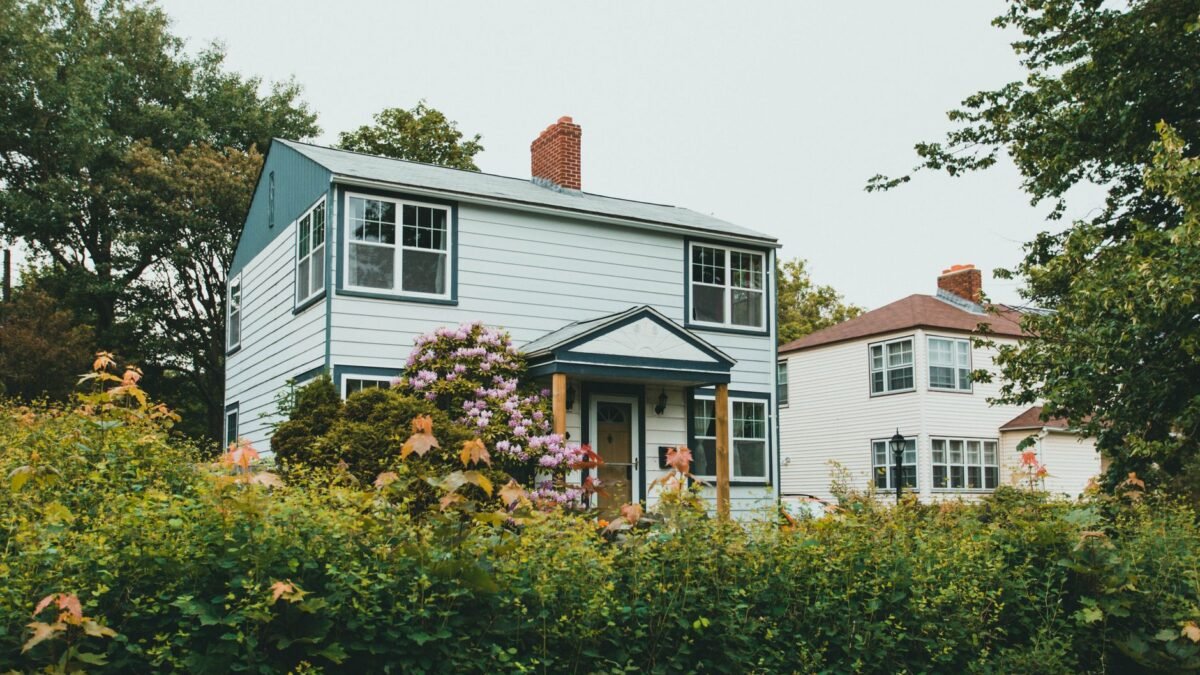
Upstairs too hot is the classic two-story home complaint. On a summer afternoon, the first floor can feel fine while bedrooms upstairs sit five, eight or even ten degrees warmer. It isn’t your imagination, and it isn’t just one bad room. Physics, the attic above your ceiling and the way most duct systems are laid out all push heat upstairs.
This guide explains why second floors run hot and walks through ten smart fixes, from free thermostat and fan settings to attic, duct and zoning upgrades, so you can choose the ones that fit your home and budget.
Key takeaways
- Heat rises, attics bake the ceiling, and long upstairs duct runs lose cooling: all three make the second floor hot.
- Free fixes: run the fan longer, set the thermostat smarter, close downstairs dampers slightly in summer and shade windows.
- Mid-range fixes: seal and insulate attic ducts, add attic insulation and ventilation, add upstairs returns.
- Larger fixes: zoning or a second system for the upstairs.
In this guide
Why upstairs gets so hot
Warm air rises. Heat from people, appliances and sun on the first floor drifts up the stairwell and collects upstairs.
The attic heats the ceiling. On a sunny day, attic air can get far hotter than outdoors. That heat radiates down through the ceiling, especially if attic insulation is thin.
Ducts run through the attic. In many homes, upstairs supply ducts travel through that hot attic. Cooled air picks up heat and leaks out before it reaches the bedrooms. Department of Energy research puts duct thermal losses in unconditioned attics at roughly 10 to 45 percent of heating and cooling loads.
Long runs, weak airflow. Upstairs rooms are often at the end of the longest duct runs, and returns upstairs may be too small.
The thermostat is downstairs. When the thermostat sits on the cooler first floor, the system shuts off once downstairs is comfortable, even though upstairs isn’t.
10 smart fixes for an upstairs too hot
1. Run the fan longer (free)
Setting the fan to “on” or a circulate mode mixes air between floors and moves upstairs heat to the return. In humid climates, avoid continuous fan in cooling mode for long periods, because it can re-evaporate water from the coil and raise indoor humidity. A circulate setting that runs the fan part of each hour is a good middle ground.
2. Set the thermostat smarter (free)
Lower the setpoint a degree or two in the late afternoon, before the upstairs heats up, rather than chasing it in the evening. If your thermostat supports remote sensors, place one upstairs and average the readings.
3. Rebalance dampers for summer (free)
Partially close dampers to downstairs rooms in summer to push more air upstairs, then reverse in winter. See how to balance HVAC dampers.
4. Shade upstairs windows (low cost)
West and south-facing upstairs windows are big heat sources. Close blinds in the afternoon, add cellular or reflective shades, or apply solar window film.
5. Keep upstairs returns open and doors ajar (free)
Upstairs returns pull hot air away. Make sure grilles are clear and bedroom doors are open or have return paths. See return air vent problems.
6. Seal and insulate attic ducts ($ to $$)
Seal every joint with mastic or UL 181 foil tape and insulate ducts to R-8. This is often the single most effective upgrade for hot upstairs rooms. See how to seal air ducts and how to insulate attic ductwork.
7. Add attic insulation and air sealing ($$)
Air-seal the attic floor (around light fixtures, top plates and the attic hatch), then bring attic insulation up to recommended levels for your climate. Less heat radiates down into bedrooms.
8. Improve attic ventilation ($ to $$)
Clear soffit vents blocked by insulation and make sure there’s matching exhaust ventilation at the ridge or gables. Ventilation helps the attic shed heat, though air sealing and insulation matter more.
9. Add or enlarge upstairs returns ($$)
Many two-story homes have a single small upstairs return. A larger return or returns in bedrooms help pull hot air back to the system. A technician should size these.
10. Zone the house or add a second system ($$$)
A zoned system uses motorized dampers and separate thermostats for upstairs and downstairs. A second system dedicated to the upstairs, or ductless mini splits in problem rooms, gives each floor its own control. See mini split vs central air.
Measure before and after. Put a thermometer upstairs and one by the thermostat. Note the difference at 5 p.m. for a few days before and after each fix to see what actually works.
Is your AC the right size?
An undersized AC runs constantly and never catches up on hot days; an oversized one cools the thermostat area quickly and shuts off before upstairs is comfortable, and removes less humidity. Neither is a quick fix, but it’s worth knowing. Our AC size calculator gives a rough check; a contractor should do an ACCA Manual J load calculation.
What a typical upstairs temperature difference is
Even well-designed two-story homes often see a 2 to 3 degree difference between floors. More than 4 or 5 degrees usually points to fixable causes: attic duct losses, weak returns, poor insulation or thermostat placement.
A worked example
A two-story home runs 7 degrees warmer upstairs on summer afternoons. The owners set the fan to circulate, close downstairs dampers by a quarter, and add cellular shades to two west bedrooms: the gap drops to 5 degrees. Next, they seal and insulate the attic ducts to R-8 and air-seal around the attic hatch and recessed lights: the gap drops to 3 degrees. They decide that’s comfortable enough and skip zoning.
Quick fixes to try this week
- Set the thermostat fan to “on” during hot afternoons to mix air between floors, while watching humidity.
- Close or partly close a few downstairs supply registers in summer to push more air upstairs.
- Close blinds and curtains on sun-facing upstairs windows.
- Replace a dirty filter.
- Make sure upstairs returns aren’t blocked by furniture.
Longer-term fixes for a hot upstairs
| Fix | Typical cost | Impact |
|---|---|---|
| Seal and insulate attic ducts | $500 to $3,000 | High |
| Add attic insulation and air sealing | $1,500 to $4,000 | High |
| Add an upstairs return | $300 to $1,000 | Medium to high |
| Balance dampers | $100 to $300 | Medium |
| Install zoning | $2,000 to $5,000 | High |
| Add a mini split upstairs | $3,000 to $6,000 | High |
Prices vary widely by region and house. See how to insulate attic ductwork and how to balance HVAC dampers.
When to call a professional
If a two-story house stays too hot upstairs after you’ve tried the quick fixes, a technician can measure airflow at each register, check static pressure and inspect attic ducts.
Upstairs too hot: FAQ
Why is my upstairs so much hotter than downstairs?
Warm air rises, the attic heats the ceiling, upstairs ducts often run through the hot attic, and the thermostat is usually downstairs.
Should I close downstairs vents in summer?
Partially closing downstairs dampers can push more air upstairs. Avoid fully closing vents.
Does running the fan on help cool upstairs?
It helps mix air between floors. In humid climates, use a circulate setting rather than running the fan continuously in cooling mode.
Will attic insulation help a hot upstairs?
Yes. Air sealing the attic floor and adding insulation reduces heat radiating into bedrooms.
Is zoning worth it for a two-story home?
When other fixes can’t close the gap, zoning or a second system gives each floor its own control and is often worth it.
The bottom line
An upstairs too hot is a mix of rising heat, a hot attic and duct losses. Start with free fixes like fan settings, thermostat timing, seasonal damper positions and shading. Then seal and insulate attic ducts and the attic itself. If the gap still won’t close, zoning or a dedicated upstairs system is the lasting answer. For more on sealing ducts, see ENERGY STAR’s duct sealing guidance, and for a single problem room, see one room hotter than others.
